What Is the AS1 Line on a Windshield?
What Is the AS1 Line on Your Windshield? (Complete Guide)
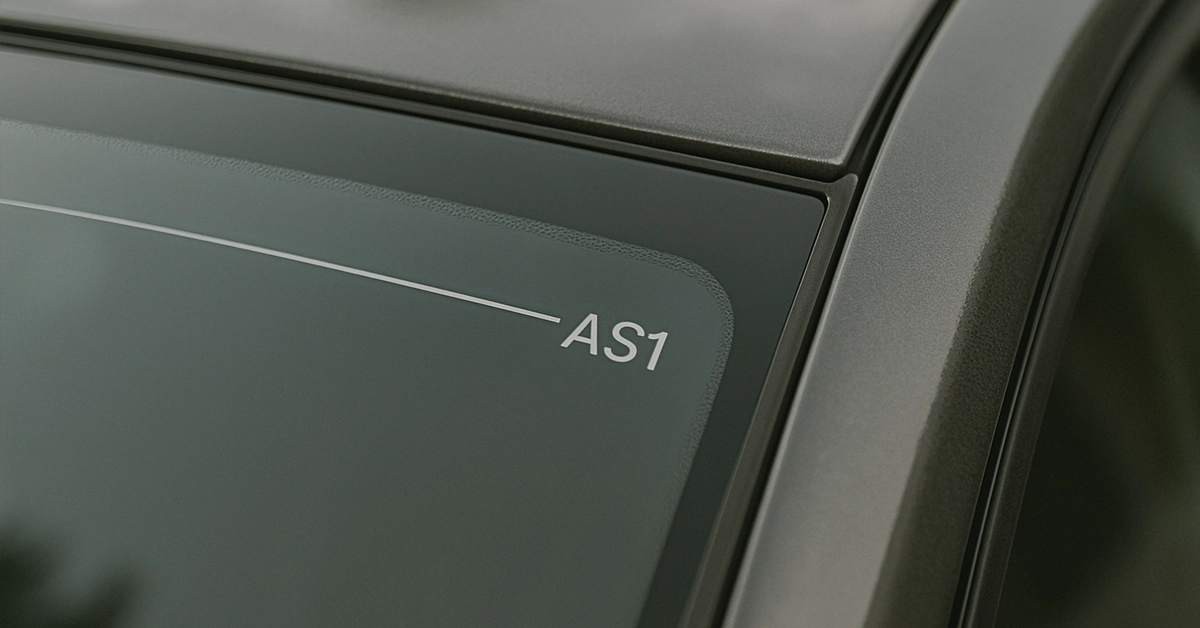
The AS1 line is a small marking near the top of your windshield, usually a row of tiny dots, hash marks, or the letters “AS1.”
Everything below this line must remain completely clear for safe driving.
Everything above it is legally allowed to have a tinted “sun visor strip” in most states.
It may look minor, but the AS1 line plays a major role in safety, legality, and visibility.
Why Drivers Should Pay Attention to the AS1 Line
1. Stay Street Legal
Most U.S. states prohibit tinting below the AS1 line (or below the top 5–6 inches of the windshield). Tinting beyond this boundary can result in:
-
Traffic citations
-
Failed inspections
-
Mandatory tint removal
If you’re unsure about compliance, it’s always smart to consult a professional like NuVision Auto Glass before making modifications.
2. Protect Forward Visibility
Glass below the AS1 line must meet strict ANSI and FMVSS 205 safety standards:
-
Minimum 70% visible light transmission (VLT)
-
High optical clarity
-
Superior impact resistance
This ensures you maintain a clear forward view during:
-
Bright sunlight
-
Night driving
-
Heavy rain
-
Glare conditions
3. Preserve Structural Integrity
AS1-rated laminated glass is engineered to:
-
Support roof strength in rollover accidents
-
Prevent shattering toward passengers
-
Assist with proper airbag deployment
Replacing your windshield with OEM-grade AS1 glass ensures these safety systems continue working as designed.
AS1 vs AS2 vs AS3: What’s the Real Difference?
Here’s a simplified comparison:
| Code | Typical Location | Light Transmission | Impact Resistance | Best Use |
|---|---|---|---|---|
| AS1 | Windshield | ≥ 70% | Highest (FMVSS 205) | Full forward visibility |
| AS2 | Front & rear side windows | ≥ 70% | Moderate | Daily side visibility |
| AS3 | Rear windows | < 70% (privacy tint) | Lower | Heat & glare reduction |
Important: Only AS1 glass is legal for the main windshield viewing area.
How to Find the AS1 Line on Your Windshield
Not sure where yours is? Here’s how to locate it:
✔ Look Near the Top Edge
Check a few inches down from the upper windshield border. You’ll see faint dots, dashes, or “AS1.”
✔ Check Around the Rearview Mirror
The AS1 boundary typically aligns with or sits just above the mirror mount.
✔ Try the Wiper Test
Lift a windshield wiper. Its sweep usually stops right at or just below the AS1 boundary.
✔ Read the Etched Label
Most OEM windshields have “LAMINATED AS1” etched in one lower corner.
If you can’t find a visible mark, measure about 5–6 inches from the top edge — that’s the commonly accepted visor strip zone in most states.
Windshield Tint Rules (Simplified)
| Region | Common Rule |
|---|---|
| Most U.S. States | No tint below AS1 line or top 5–6 inches |
| Canada | Similar AS1 restrictions; some provinces ban all windshield tint |
| Europe | Minimum 75% VLT below visor strip |
Laws vary by state and province, so always confirm local regulations before tinting.
Frequently Asked Questions
Can I install darker tint above the AS1 line?
Yes. Many states allow a darker visor strip as long as it stays above the AS1 boundary and doesn’t interfere with wiper sweep.
Does windshield replacement change the AS1 line?
No. Quality replacements carry the same AS1 marking. Always choose certified laminated AS1 glass to retain safety compliance.
If you’re replacing your windshield, working with a trusted provider like NuVision Auto Glass ensures proper certification and installation.
Will a heads-up display (HUD) work through AS1 glass?
Absolutely. AS1 windshields maintain high clarity, so HUD projections remain sharp and distortion-free.