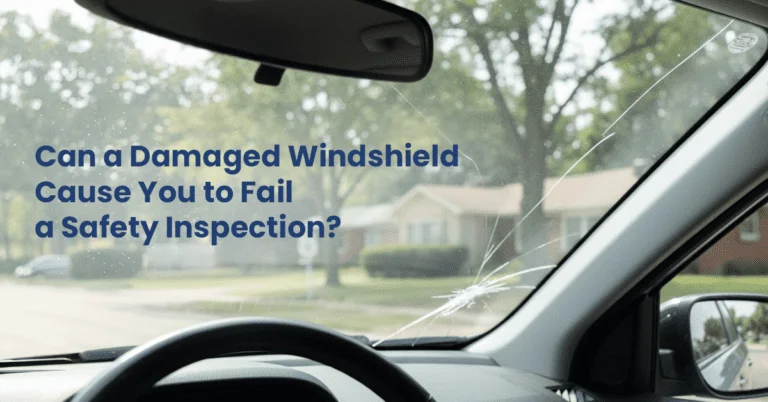

In states with mandatory safety inspections, windshield damage can absolutely cause inspection failure. Cracks in the driver’s sight line, edge damage compromising structural integrity, or cracks exceeding state-specific length limits (typically 6-11 inches) are common rejection criteria. However, Arizona, Florida, and South Carolina don’t require statewide periodic safety inspections, eliminating this compliance mechanism entirely.
Instead, these states rely on traffic enforcement and owner responsibility to maintain roadworthy vehicles. While you can’t “fail” an inspection that doesn’t exist, the underlying safety standards still apply through vehicle equipment laws that can result in citations, liability exposure, and insurance complications.
For drivers moving to Arizona, Florida, or South Carolina from inspection states like Texas, Virginia, or Pennsylvania, understanding this regulatory gap is crucial. The absence of mandatory inspections shifts full responsibility to vehicle owners for identifying and addressing windshield damage before it creates safety hazards or legal consequences. This guide examines what inspection states require, how the three non-inspection states handle windshield compliance, and why proactive maintenance matters even without formal inspection requirements.
What Do States With Mandatory Safety Inspections Require for Windshields?
Fifteen states currently require periodic safety inspections: Connecticut, Delaware, Hawaii, Louisiana, Maine, Massachusetts, Missouri, New Hampshire, New York, North Carolina, Pennsylvania, Rhode Island, Texas, Vermont, Virginia, and West Virginia. Inspection frequency ranges from annual to biennial, with specifics varying by state.
Common windshield rejection criteria across inspection states fall into six categories, and understanding them provides a useful baseline for evaluating damage severity even in states that don’t inspect.
Sightline damage. All inspection states reject windshields with cracks or chips in the driver’s direct forward view. The specific definition of “sight line” varies some states define it as the area swept by wipers, while others specify measurements such as 11 inches left of the steering wheel centerline. Any damage in this zone impairs your ability to see road hazards, other vehicles, and pedestrians. This is the single most common reason for windshield-related inspection failure.
Crack length limits. Most states set maximum allowable crack length, typically 6–11 inches depending on location. Texas allows up to 5 inches, while Pennsylvania allows up to 11 inches. Cracks exceeding these limits result in automatic rejection because longer cracks compromise the windshield’s laminated structure, reducing its ability to perform as a structural safety component during rollover protection and airbag deployment.
Edge proximity rules. Cracks within 2–3 inches of the windshield frame fail inspection in most states. These edge cracks compromise structural integrity and bond strength between the glass and the urethane adhesive holding it to the frame, creating crash safety concerns beyond visibility impairment.
Discoloration or opacity. Aftermarket tinting below the AS-1 line, failed repair attempts creating haze, or PVB delamination causing cloudiness all trigger rejection. Federal Motor Vehicle Safety Standard 205 requires a minimum 70% light transmission through the windshield anything reducing transmission below that threshold fails.
Penetration depth. Some states distinguish between outer-layer chips and full-penetration damage. Single-layer chips may pass; damage reaching the PVB interlayer typically fails because it compromises the laminated safety glass structure that prevents the windshield from shattering inward on impact.
Multiple damage points. Three or more chips or cracks in the windshield, even if individually minor, often constitute grounds for failure due to compromised overall integrity. What looks like a few small chips can collectively weaken the glass enough to change its behavior in a collision.
How Do Inspection States Compare on Windshield Standards?
| State | Max Crack Length | Driver View Zone Rule | Edge Crack Prohibition | Chip Limit |
| Texas | 5 inches | Must not impair vision | Within 3 inches of edge | 3+ chips = fail |
| Pennsylvania | 11 inches | Wiper area must be clear | Within 2 inches of edge | Multiple fails |
| Virginia | 6 inches in wiper area | 11 inches to left of steering wheel | Within 3 inches | No specific limit |
| New York | 11 inches | Wiper coverage area | Within frame contact | Not specified |
| North Carolina | No specific length | Sight line clear | Structural concern | Case-by-case |
These standards vary considerably, but the common thread is consistent: damage in the driver’s sight line, cracks beyond 5–6 inches, and edge cracks near the frame trigger failure across all inspection states. Even in Arizona, Florida, and South Carolina, damage meeting these thresholds creates the same safety hazards; the only difference is that nobody forces you to address it on a schedule.
Does Arizona Require Windshield Safety Inspections?
No. Arizona eliminated mandatory safety inspections decades ago. The state currently requires only emissions testing in Maricopa County (Phoenix metro) and Pima County (Tucson metro) for vehicles newer than 1967 and less than 6 years old. Windshield condition isn’t evaluated during emissions testing it’s purely exhaust analysis.
However, Arizona Revised Statute 28-959 requires windshields to be “free from any crack or discoloration which would impair the driver’s vision.” Enforcement occurs through traffic stops rather than scheduled inspections. Officers have discretion to cite windshield violations, typically when damage is obviously in the sight line or when they observe unsafe driving potentially related to visibility impairment.
Arizona enforcement reality. Traffic citations for windshield violations are issued but inconsistently. Phoenix, Tempe, Mesa, Chandler, and other metro police departments encounter so many vehicles with minor windshield damage that officers prioritize only obvious safety hazards large cracks crossing the driver’s view, shattered windshields barely held together, or damage clearly interfering with visibility. Highway Patrol on I-10, I-17, and other major routes takes equipment violations more seriously, particularly in rural areas where unsafe vehicles pose greater risk.
Citation consequences. Basic windshield violations carry $150–$200 fines. Officers often issue fix-it tickets with dismissal upon providing proof of repair within 10–30 days. No license points are typically assessed for equipment violations. However, windshield citations frequently accompany other violations discovered during stops.
The absence of inspections doesn’t mean windshield standards don’t exist; it just means enforcement is reactive rather than proactive. You won’t “fail an inspection,” but you may fail a traffic stop compliance check. Based on comparison to neighboring inspection states and federal FMVSS 205 standards, cracks 6+ inches in length, any crack in the driver’s direct sight line, edge cracks within 2 inches of the frame, and multiple chips (3+) across the windshield would all likely trigger rejection if Arizona had inspections.
Does Florida Require Windshield Safety Inspections?
No. Florida eliminated mandatory vehicle inspections in 1981, among the earliest states to do so. Current requirements include only emissions testing in select counties, none of which evaluate windshield condition.
Florida Statute 316.610 requires windshields to be “in good condition” and made of “safety glazing material” providing “adequate vision to the front.” Like Arizona, enforcement relies entirely on traffic stops. The Florida Highway Patrol and local law enforcement can cite windshield violations, though priorities vary by jurisdiction.
Florida’s 2023 auto glass law reforms. Senate Bill 1002 primarily addressed insurance fraud by prohibiting Assignment of Benefits (AOB) and cashback inducements, but it also reinforced vehicle equipment standards. The law’s emphasis on reducing fraudulent glass claims indirectly increased law enforcement attention to windshield conditions. Understanding how Florida insurance covers windshield replacement post-SB 1002 is essential for Tampa, Miami, Orlando, and Jacksonville drivers navigating the reformed landscape.
Florida enforcement patterns. South Florida (Miami-Dade, Broward, Palm Beach) sees more aggressive equipment violation enforcement than northern rural areas. I-95, Florida’s Turnpike, and I-4 have consistent Highway Patrol presence monitoring vehicle condition. Tourist-heavy areas (Orlando, Tampa, Miami) may see stricter enforcement as law enforcement encounters out-of-state vehicles unfamiliar with Florida standards.
Citation consequences. Fines range from $116–$158 depending on county and violation specifics. These are non-moving violations that don’t typically add license points. Court appearance may be required unless the fine is paid promptly. There’s no direct premium impact, but liability considerations exist if windshield damage contributes to a crash.
Comparing Florida damage to inspection state standards: cracks 6+ inches and sight line obstructions would definitely fail, edge cracks would likely fail due to structural concerns, and extensive multiple damage would likely fail. Minor chips outside critical areas would likely pass.
Does South Carolina Require Windshield Safety Inspections?
South Carolina’s situation is more nuanced than Arizona and Florida. The state has no mandatory statewide safety inspection program, but some counties and municipalities offer voluntary inspection programs. Additionally, vehicles being titled or registered for the first time in South Carolina, including out-of-state transfers, undergo a VIN verification that may include basic safety checks.
South Carolina Code 56-5-5010 requires windshields to be “free from any crack or discoloration which would impair the driver’s vision.” Enforcement primarily occurs through traffic stops by Highway Patrol and local law enforcement.
Voluntary county inspection programs. Several South Carolina counties offer voluntary safety inspections conducted at state-certified facilities. Greenville County, Charleston County, and Richland County (Columbia) have facilities providing comprehensive safety checks. These voluntary inspections follow general safety standards similar to mandatory inspection states’ windshield rejection criteria typically include cracks in the driver’s sight line, cracks longer than 6 inches, edge cracks within 2 inches of the frame, discoloration impairing visibility, and multiple damage points compromising integrity.
Out-of-state vehicle registration. When registering vehicles from other states, the South Carolina DMV conducts VIN verification to prevent stolen vehicle registration. During this process, obvious safety defects may be noted, potentially delaying registration until corrected. While not a comprehensive safety inspection, blatantly unsafe windshields could theoretically trigger registration holds.
South Carolina enforcement. Highway Patrol on I-95, I-26, I-85, and I-77 actively enforces equipment violations. Coastal areas (Charleston, Myrtle Beach, and Hilton Head) with heavy tourist traffic see consistent enforcement. Fines range from $100 to $200 depending on magistrate court jurisdiction. Some counties require appearing before a magistrate. Equipment violations generally don’t affect license points, but officers have significant latitude in deciding whether to cite.
Who Is Responsible When No Inspection Exists?
In inspection states, the inspection process catches windshield damage before it becomes critical. Vehicles can’t renew registration without passing inspection, creating forced compliance. In non-inspection states like Arizona, Florida, and South Carolina, this external enforcement mechanism doesn’t exist.
Responsibility shifts entirely to owners: identifying damage when it occurs, assessing whether damage meets legal and safety thresholds, scheduling repair or replacement proactively, and understanding liability exposure from delaying action. This system relies on individual judgment, often flawed when financial considerations compete with safety priorities. Inspection states force the decision; non-inspection states leave it optional until traffic stops or crashes make it compulsory.
Comparative compliance rates. Studies suggest that inspection states have 15–25% lower rates of serious vehicle equipment violations compared to non-inspection states. Specifically for windshield damage, inspection states show 18–22% lower prevalence of replacement-necessary damage. This doesn’t indicate that inspection-state vehicles have less windshield damage initially; it means damage is addressed more promptly before progressing to serious safety hazards. In non-inspection states, small chips become large cracks, and large cracks persist indefinitely until owners voluntarily address them or get cited.
Do Commercial Vehicles Face Different Windshield Inspection Rules?
Yes. While Arizona, Florida, and South Carolina don’t require passenger vehicle inspections, commercial vehicles face federal and state regulations that include windshield condition.
Federal Motor Carrier Safety Administration (FMCSA) regulations require commercial motor vehicles (trucks, buses) to meet specific equipment standards. Annual or periodic inspections are mandatory, with windshield damage explicitly addressed: cracks longer than 11 inches constitute a violation, cracks intersecting within 3 inches of another crack constitute a violation, any damage in the driver’s sight line constitutes a violation, and discoloration impairing visibility constitutes a violation.
Commercial vehicle inspections in all three states are conducted at certified facilities, often coinciding with annual registration renewals or through roadside inspections by enforcement officers. This creates a notable contrast: commercial drivers hauling hazardous materials or transporting passengers can’t operate with windshield damage, but private passenger vehicles — driven by less-trained individuals carrying families — face no mandatory inspection requirements in these states.
What Happens When You Move Between Inspection and Non-Inspection States?
Drivers relocating between inspection and non-inspection states often don’t realize how the regulatory shift affects their windshield maintenance habits.
Moving from Pennsylvania to Arizona. Pennsylvania requires annual inspections with strict windshield standards. A Pennsylvania driver maintains pristine windshields because failing inspection prevents registration renewal. They move to Arizona and get a rock chip on I-10 within weeks. Without an upcoming inspection deadline, repair gets postponed. The chip propagates into a crack. Months pass. What would have been caught and required repair in Pennsylvania persists indefinitely in Arizona eventually requiring full windshield replacement instead of a $50 repair.
Moving from Florida to Texas. A Florida driver has minor windshield damage that wouldn’t violate Florida’s traffic enforcement threshold. They relocate to Texas, which requires annual inspections. The first inspection fails due to windshield damage. They’re surprised the damage existed for years in Florida without issue. Texas inspection laws force repairs they didn’t anticipate.
Military personnel and temporary residents. Active-duty service members stationed in Arizona, Florida, or South Carolina may maintain vehicle registration in their home state, which might require periodic inspections. A Texas resident stationed at Fort Huachuca (Arizona) must comply with Texas inspection requirements even while living in Arizona. Some military installations conduct vehicle safety checks for base access credentials; obvious safety defects, including severely damaged windshields, may be noted and potentially restrict base driving privileges pending repair.
Understanding destination state requirements prevents surprises. More importantly, understanding that non-inspection states shift full responsibility for vehicle safety to owners helps maintain proper standards even without external enforcement.
How Does Windshield Damage Affect Insurance After a Crash in Non-Inspection States?
Without mandated inspections identifying windshield damage, insurance companies increasingly scrutinize vehicle condition after crashes. If windshield damage is discovered post-accident, insurers may argue that failure to maintain proper equipment contributed to the crash, the owner was aware of the safety defect but chose not to repair it, or comparative negligence should reduce claim payouts by 25–50%.
Documentation as protection. Proactive windshield maintenance with documentation creates liability protection. If you inspect windshields regularly, repair or replace damage promptly, retain receipts and documentation, and file insurance claims when damage occurs, then post-crash investigations can’t attribute fault to negligent vehicle maintenance.
Comprehensive insurance typically covers windshield repair with a deductible waiver in Florida and often at zero deductible elsewhere; utilizing this coverage demonstrates responsible vehicle maintenance. Understanding your deductible structure and whether you carry full glass coverage vs. standard comprehensive determines whether repair is free or carries out-of-pocket cost.
What Should a Monthly Windshield Self-Inspection Include?
Non-inspection states require self-discipline to maintain standards that inspection states enforce externally. A monthly self-inspection routine takes less than five minutes and prevents small damage from becoming expensive, dangerous problems.
View the windshield from outside at eye level, looking for cracks or chips across the entire surface. Sit in the driver’s seat and check the entire field of view for any damage, noting whether anything falls in your direct sight line. At night, observe whether headlights from oncoming traffic create unusual glare or starbursts through the glass; this indicates lamination degradation or surface damage affecting optical clarity. Check windshield edges for cracks within 2 inches of the frame, as these compromise the adhesive bond that provides structural rigidity during rollovers and airbag deployment. Look for haze, cloudiness, or discoloration that could indicate PVB delamination or UV degradation. Document with photos if damage is found, and schedule a professional assessment within 24–48 hours of discovering damage.
Choose a consistent schedule. Pick a specific date—your birthday, New Year’s, or registration renewal month to conduct a comprehensive vehicle safety check including windshield condition. Immediate response to new damage is equally important: contact a glass professional the same day for evaluation. Most shops provide free assessments, so there’s no cost barrier to getting an expert opinion on whether damage requires repair or replacement.
Why Does Professional Shop Selection Matter More in Non-Inspection States?
In inspection states, a third-party inspector verifies installation quality when your vehicle comes due for its next inspection. In Arizona, Florida, and South Carolina, nobody checks the work after installation. That means the shop you choose is the only quality control mechanism.
Use certified shops adhering to Auto Glass Safety Council (AGSC) standards. AGSC certification requires passing a 70-question exam covering FMVSS 208/212 safety standards, OSHA regulations, and the AGRSS installation standard. Quality installation ensures windshields meet federal FMVSS 205 specifications even without inspection verification. Before booking, use this checklist of questions to ask any auto glass shop to verify credentials, glass quality, and warranty terms.
ADAS recalibration is non-negotiable. Vehicles with Advanced Driver Assistance Systems require ADAS recalibration after windshield replacement. Over 95% of 2024–2026 vehicles require this step, and skipping it leaves your automatic emergency braking, lane departure warning, and adaptive cruise control non-functional or unreliable. Without inspection verification confirming these systems work after replacement, your shop’s calibration process is the only assurance you have. Shops covering popular makes like Honda should follow OEM-specified calibration procedures with equipment they own.
Glass quality verification falls on you. In inspection states, substandard glass may be flagged at the next inspection through optical distortion or visible defects. In non-inspection states, economy glass can persist unchecked. Insist on OEM or OEM-equivalent glass from certified manufacturers meeting FMVSS 205, and verify the manufacturer name before your appointment, not after installation.
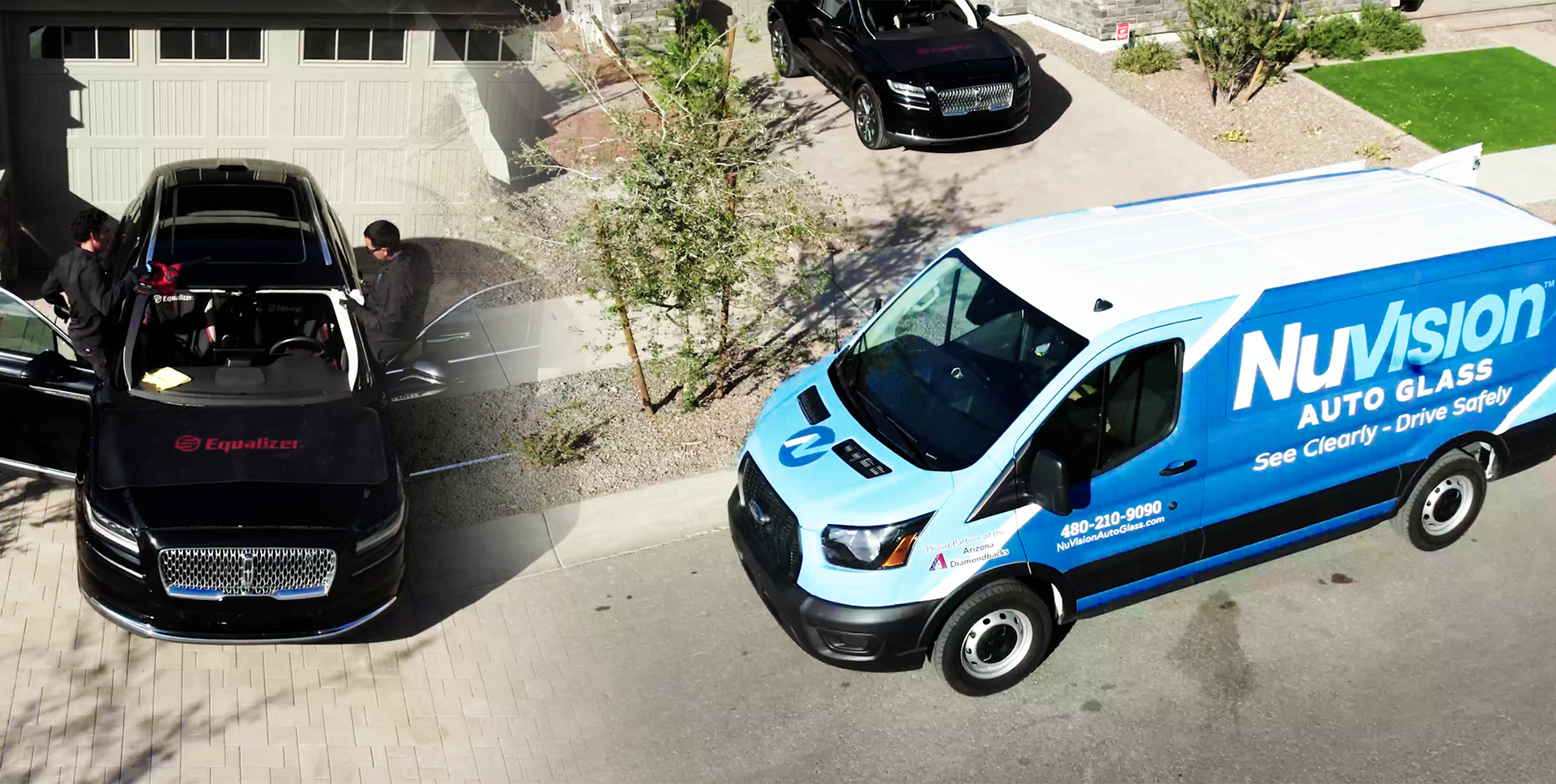
NuVision Auto Glass provides free damage assessments and mobile service throughout Arizona, Florida, and South Carolina. Our AGSC-certified technicians, in-house ADAS calibration, and OEM-equivalent glass standard mean your windshield meets inspection-state quality even in states that don’t inspect. See what customers across our service areas report on our verified Google reviews for NuVision Auto Glass.
Frequently Asked Questions
Can I drive from a non-inspection state to an inspection state with windshield damage?
Yes, but if you’re stopped in the inspection state, officers may cite you under that state’s equipment laws. Additionally, if relocating permanently, you must pass that state’s inspection before registering your vehicle. Damage that persisted without issue in Arizona or Florida may immediately trigger rejection in Texas, Pennsylvania, or Virginia.
Do rental cars in Arizona, Florida, or South Carolina get windshield inspections?
Rental fleets conduct internal maintenance inspections but aren’t subject to state-mandated programs. However, rental companies have a strong incentive to maintain windshields; liability exposure from crashes involving poorly maintained vehicles creates significant legal risk. Always document windshield condition before accepting a rental vehicle.
How do I know if a used car’s windshield is safe in a non-inspection state?
Pre-purchase inspections by independent mechanics should include windshield assessment. If purchasing from dealers, ask for documentation of windshield condition. Private party sales require buyer diligence; inspect carefully before purchase, checking for cracks, chips, edge damage, haze, and glass quality indicators.
Will police definitely cite windshield damage during traffic stops?
No citation is discretionary. Minor damage outside the sight line may not be cited, while obvious safety hazards will be. However, relying on “maybe officers won’t notice” is poor risk management when repair costs are typically manageable and often covered by insurance.
What if I disagree with an officer’s assessment that my windshield impairs vision?
You can contest citations in traffic court. However, if damage meets objective standards (crack in sight line, exceeds 6 inches, edge proximity), courts typically uphold citations. The better approach is addressing damage before enforcement encounters rather than arguing about it afterward.
Do dealerships inspect windshields during routine service?
Some do; many don’t. Reputable service departments note windshield damage and recommend repair, but they’re not required to refuse service for damaged windshields the way inspection states would. Don’t assume your mechanic will flag windshield issues; conduct self-inspections independently on a monthly schedule.
Does filing a windshield insurance claim raise my premiums?
Comprehensive claims, which include glass damage typically don’t raise premiums. One glass claim within three years almost never affects rates. Filing claims documents when damage occurred, creating a maintenance record that protects against post-crash liability arguments. Florida requires deductible waivers for windshield repairs specifically, making repair claims zero cost in many cases.
How do inspection-state standards apply to ADAS-equipped vehicles?
Current inspection-state standards were largely written before ADAS became widespread. Most inspection programs check windshield physical condition but don’t verify ADAS calibration status. This means even inspection states may miss miscalibrated safety systems. Regardless of where you live, verifying ADAS functionality after any windshield replacement is your responsibility, and choosing a shop with in-house calibration capability is th
Conclusion: Self-Inspection Responsibility
Arizona, Florida, and South Carolina drivers can’t “fail” safety inspections because none exist, but the underlying safety standards persist through equipment laws and liability exposure. Windshield damage that would cause inspection failure in other states creates the same safety hazards and legal risks—the difference is that non-inspection states leave compliance entirely to owner discretion.
Key takeaways:
- No statewide mandatory inspections in Arizona, Florida, or South Carolina for passenger vehicles
- Equipment laws prohibit vision-impairing windshield damage; traffic stops enforce
- Inspection state standards provide useful baseline—damage causing failure there is unsafe here
- Liability exposure from crashes involving damaged windshields creates insurance complications
- Self-inspection discipline and prompt repair prevent safety hazards without external enforcement
Monthly self-inspection routines, immediate response to new damage, and utilizing comprehensive insurance coverage for repairs create de facto compliance equivalent to inspection states. NuVision Auto Glass provides free assessments throughout Arizona, Florida, and South Carolina. Use our NuVision Auto Glass locations and reviews to find your nearest service area and see what customers say about our AGSC-certified, ADAS-included service.
The absence of mandatory inspections doesn’t eliminate responsibility to maintain safe vehicles. It just means the choice and consequences, rest entirely with you.
Get a Free Windshield Assessment — AGSC Certified, ADAS Calibration Included →